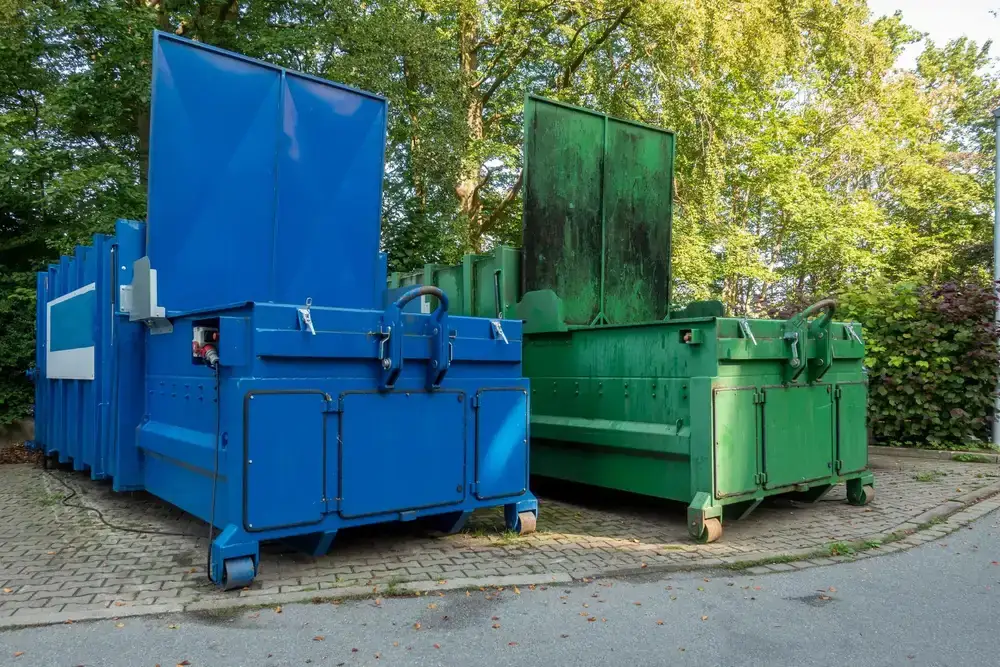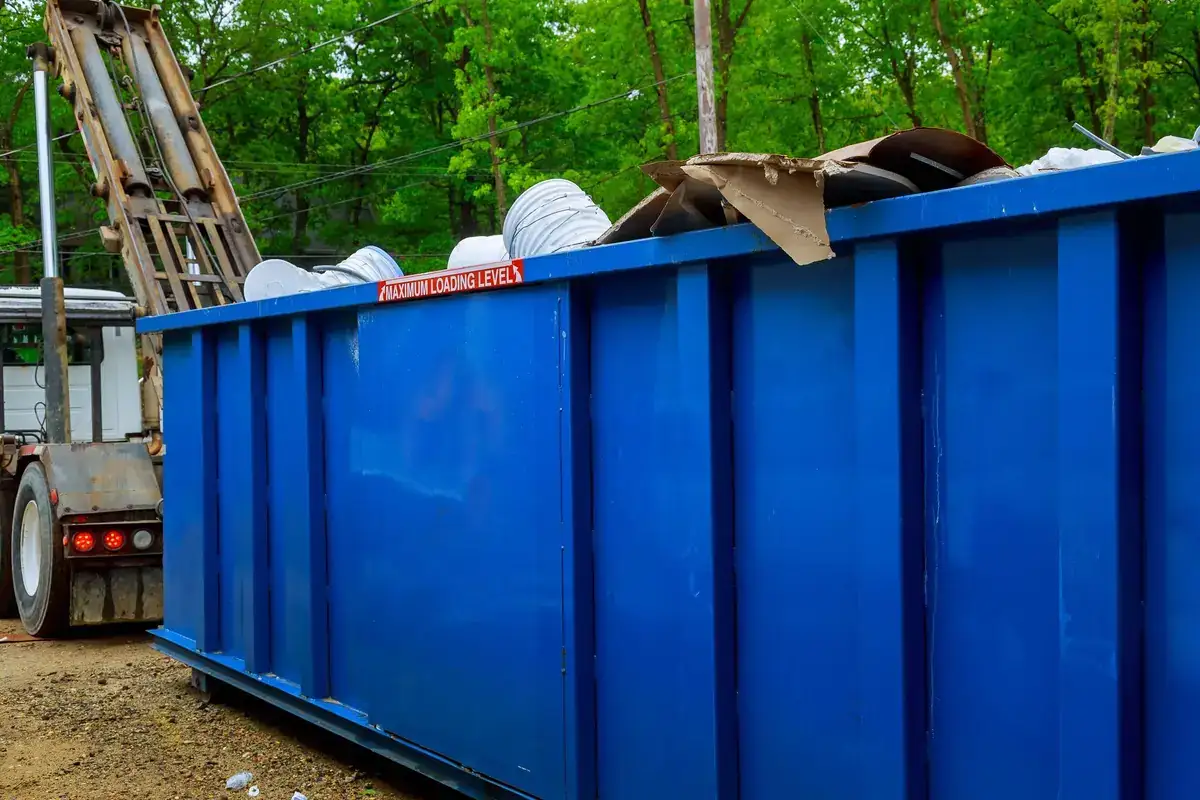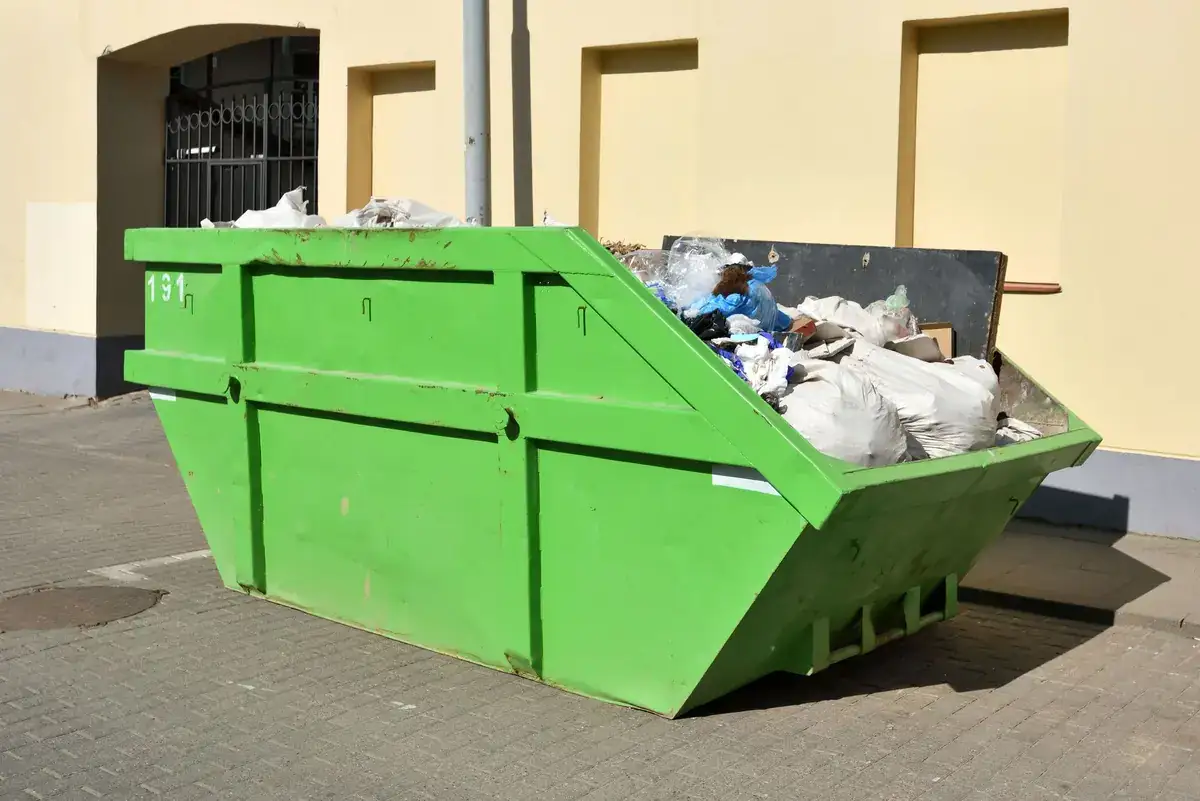

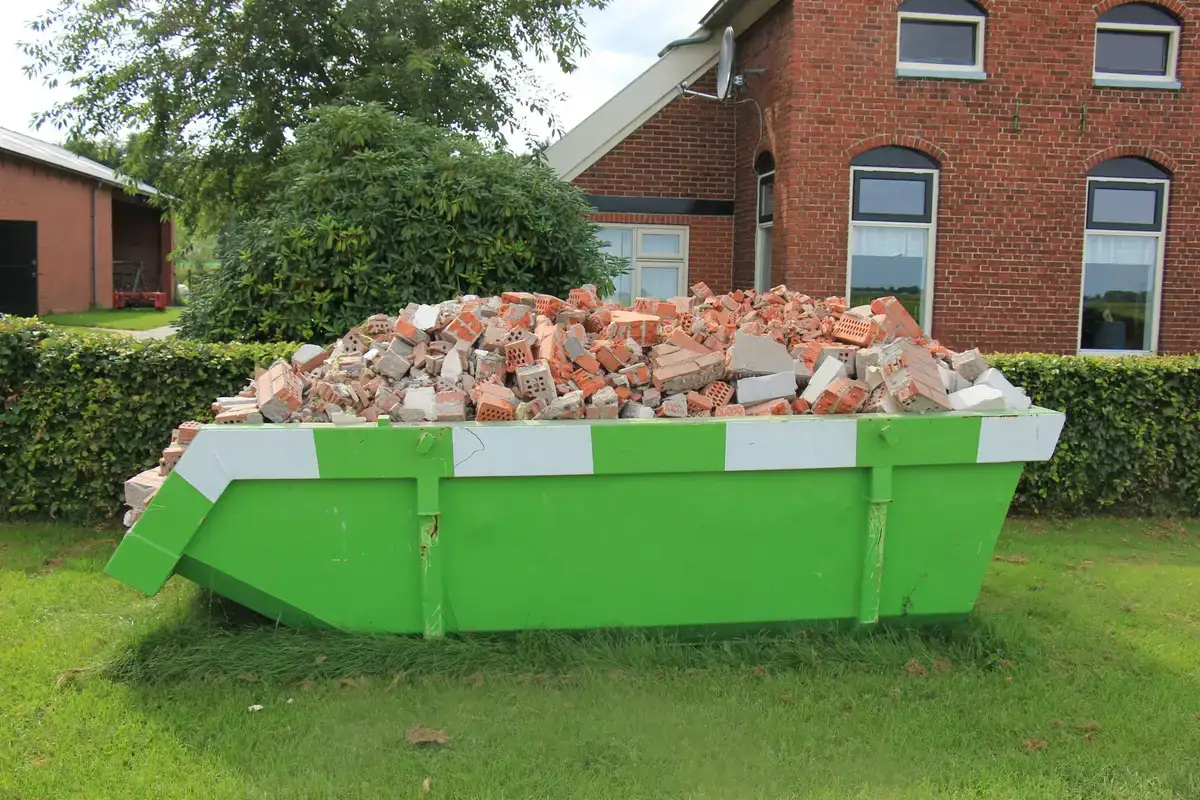
Construction activity is one of the largest contributors to landfill waste in the United States. From demolition debris to packaging materials, job sites generate large volumes of mixed waste that require structured handling. Dumpster rentals provide construction teams with a centralized system for managing debris while supporting recycling goals. By designating containers for specific materials such as metal, concrete, or wood, construction crews can improve sorting accuracy and reduce landfill reliance.
Using dumpster rentals on construction sites also improves site safety and organization. Loose debris increases the risk of accidents, equipment damage, and environmental runoff. Contained waste reduces these risks while creating cleaner, more efficient work environments. When paired with recycling programs, dumpster rentals help construction firms align their operations with sustainability expectations increasingly required by municipalities and developers.
Many modern construction contracts now include waste diversion targets. Dumpster rentals make it easier to track waste volumes, document recycling rates, and comply with reporting requirements. This accountability strengthens environmental performance while supporting responsible development practices.
The Role of Dumpster Rentals in Residential Sustainability Efforts
Residential waste generation continues to rise as household sizes, renovation activity, and consumer consumption increase. Dumpster rentals provide homeowners with practical solutions for managing waste responsibly during major cleanouts, remodeling projects, and landscaping upgrades. Instead of relying on curbside pickup or multiple disposal trips, homeowners can consolidate waste efficiently.
During renovation projects, dumpster rentals allow for better separation of recyclable materials such as drywall, wood, cardboard, and metal. This separation reduces contamination and improves recycling outcomes. When residents understand how to use dumpster rentals properly, they contribute directly to waste reduction goals at the community level.
Dumpster rentals also support neighborhood clean-up initiatives and seasonal decluttering efforts. Community-wide events that provide temporary dumpsters often see higher participation rates and cleaner outcomes. These initiatives foster shared responsibility for environmental stewardship and encourage long-term waste-conscious behavior.
Commercial Waste Reduction Through Strategic Dumpster Rentals
Businesses generate consistent waste streams that require predictable and efficient disposal systems. Dumpster rentals allow commercial properties to manage waste volumes without overwhelming landfill capacity. Retail centers, office buildings, restaurants, and warehouses all benefit from structured waste collection strategies supported by dumpster rentals.
For businesses with recycling programs, dumpster rentals simplify material separation and storage. Cardboard, packaging materials, and plastics can be collected separately, reducing disposal costs and improving recycling efficiency. These practices support corporate sustainability goals while strengthening compliance with local waste regulations.
Dumpster rentals also help businesses adapt to fluctuations in waste generation. Seasonal demand, inventory turnover, and renovation activity can increase waste output temporarily. Flexible rental options allow businesses to scale disposal capacity without permanent infrastructure changes.
Reducing Environmental Contamination Through Proper Dumpster Use
One of the most significant environmental risks associated with waste disposal is contamination. Improper handling of hazardous materials, electronics, and mixed waste can lead to soil and water pollution. Dumpster rentals reduce these risks by providing clear boundaries for disposal and encouraging responsible sorting.
Education remains critical to minimizing contamination. When users understand what belongs in each dumpster, recycling programs perform more effectively. Dumpster rentals paired with clear signage and guidance improve compliance and environmental outcomes.
Future Trends in Dumpster Rentals and Sustainable Waste Management
The dumpster rental industry continues to adapt as sustainability expectations increase. Innovations in container tracking, waste analytics, and material sorting are improving efficiency and transparency. Data-driven insights allow providers and users to identify waste patterns and improve recycling outcomes.
Electric and low-emission transport vehicles are also becoming more common in dumpster rental fleets. These advancements reduce the carbon footprint associated with waste collection and transportation. As technology advances, dumpster rentals are expected to play an even larger role in environmentally responsible waste systems.
Future waste management strategies will increasingly rely on collaboration between municipalities, businesses, and service providers. Dumpster rentals serve as a connecting point between waste generation and recovery, supporting cleaner, more sustainable communities over time.
Economic Advantages Tied to Environmentally Responsible Waste Practices
While the environmental benefits are substantial, dumpster rentals also deliver economic advantages that reinforce sustainable decision-making. Efficient waste management reduces cleanup time, minimizes labor costs, and lowers the risk of regulatory penalties.
Businesses and municipalities often find that investing in organized waste systems leads to long-term cost stability. Predictable waste handling reduces emergency disposal needs and limits infrastructure strain. By aligning financial efficiency with environmental responsibility, dumpster rentals support sustainable operations without sacrificing budget control.
These economic efficiencies make it easier for organizations to maintain ongoing recycling programs rather than treating sustainability as a one-time initiative. Dumpster rentals become part of a repeatable, scalable system that balances cost management with environmental stewardship.
When dumpster rentals are paired with organized recycling efforts, their environmental impact increases substantially.
The growing emphasis on sustainability has made responsible waste management more important than ever. When dumpster rentals are thoughtfully paired with recycling programs, they create a structured system that reduces landfill dependency, conserves natural resources, and supports healthier communities. This integrated approach transforms waste from an environmental burden into an opportunity for material recovery and reuse.
Across residential, commercial, and municipal applications, organized disposal systems help limit pollution, reduce emissions, and promote long-term resource efficiency. Dumpster rentals support these outcomes by improving waste separation, streamlining logistics, and encouraging responsible disposal habits. As recycling technology and environmental awareness continue to advance, the role of coordinated waste solutions will only become more significant.
By adopting waste management strategies that prioritize both efficiency and environmental responsibility, communities and organizations can take meaningful steps toward a more sustainable future. The combination of dumpster rentals and recycling offers a practical, scalable solution that benefits the environment today while supporting conservation efforts for generations to come. Contact Small Haul Containers today to learn more.